
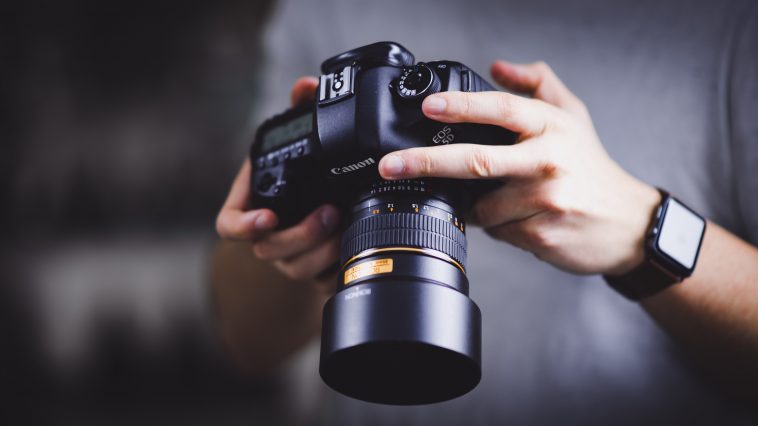
Do you have plans on being becoming a photographer? Or do you have a camera and confused about all the features it comes with? Do you also want to know more about what digital photography entails? You are in luck! Praxis Digital Academy is open for a certificate programme in Digital Photography.
What is Digital photography?
Digital photography is the use of cameras that contains arrays of electronic photodetectors. They capture images focused by a lens. It is also the production and manipulation of digital photographs. Production of digital photographs come in different ways:
- With a digital camera
- Capturing a frame from a video
- Scanning a conventional photograph
In time past, exposure of light-sensitive photographic film helped to create photographic films . They were then processed in chemical solutions that developed and stabilised the image. Now, photographs are typically developed by computer-based photoelectric. Digital cameras still rely on shutter speed, ISO and aperture to create exposure.
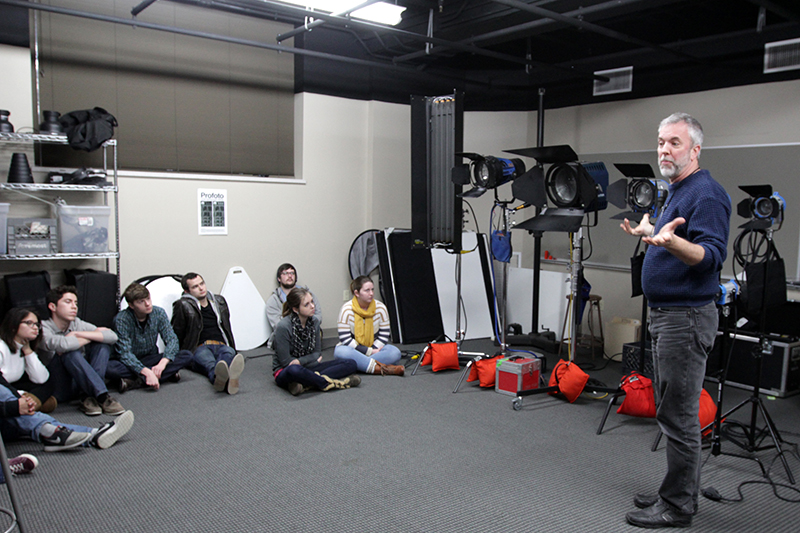
What you’ll learn
A course in digital photography would teach you how to produce excellent photographs for aesthetic or commercial purposes. You would also learn;
- Ability to compose well-balanced pictures
- create stunning photographs that speak for itself
- proper camera handling
- Right camera lens for each shot.
Other benefits of digital photography are;
- You can access images after each shot.
- Digital cameras give you more control over exposure
- Memory cards can store thousands of images. There is no need to buy a film.
In this course you would also learn the tenets of Digital photography in the following modules.
MODULE 1

- Photo Manipulation: This is the use of different techniques to alter a photograph. It involves the creation of unique images. This can be through ink or paint, double exposure, scratching instant films or through software-based manipulation tools. There is a lot of software available for digital photo manipulation. This ranging from professional applications to basic software for beginners.
- Photo Editing: This is simply the act of altering images. This lesson would focus on techniques in photo editing. Some techniques are manually done while others are through automated softwares. Photo editing can also be offline on photographs, posters or other printed forms.Other terms used for photo editing are:
- Image editing
- Image/photo manipulation
- Photoshopping
- Post-processing
- Image/photo enhancement
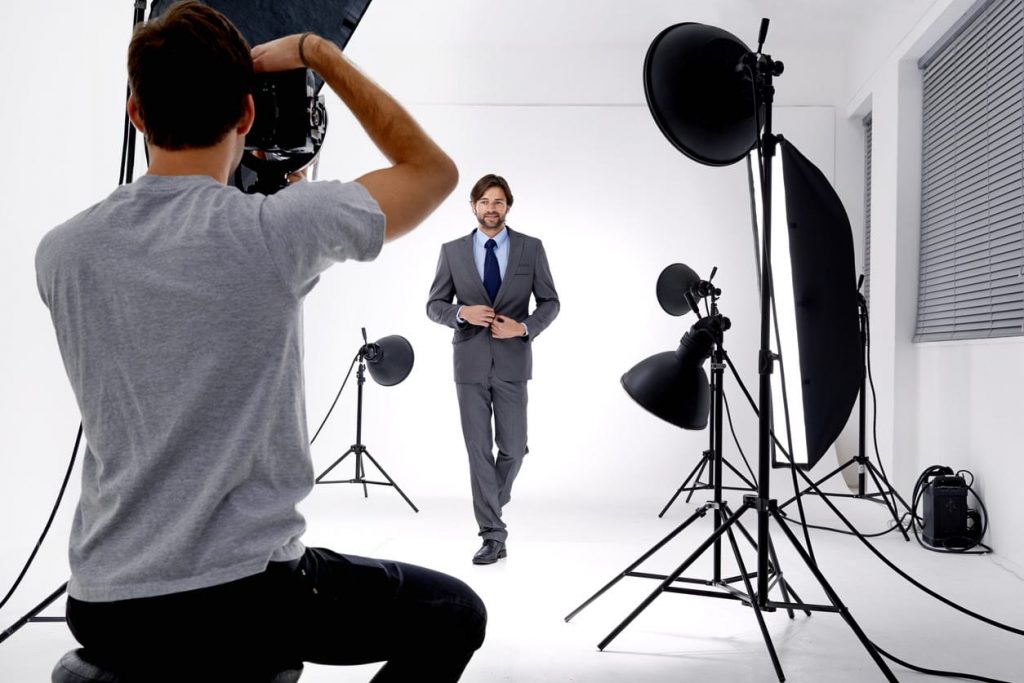
- Studio Photography: This includes studio shoots and photo sections ranging from headshots, passports, family shoots and baby shoots. This lesson will focus on the right use of cameras, backdrops, lightening equipment and filters to create desired effect for the photographs.
MODULE 2
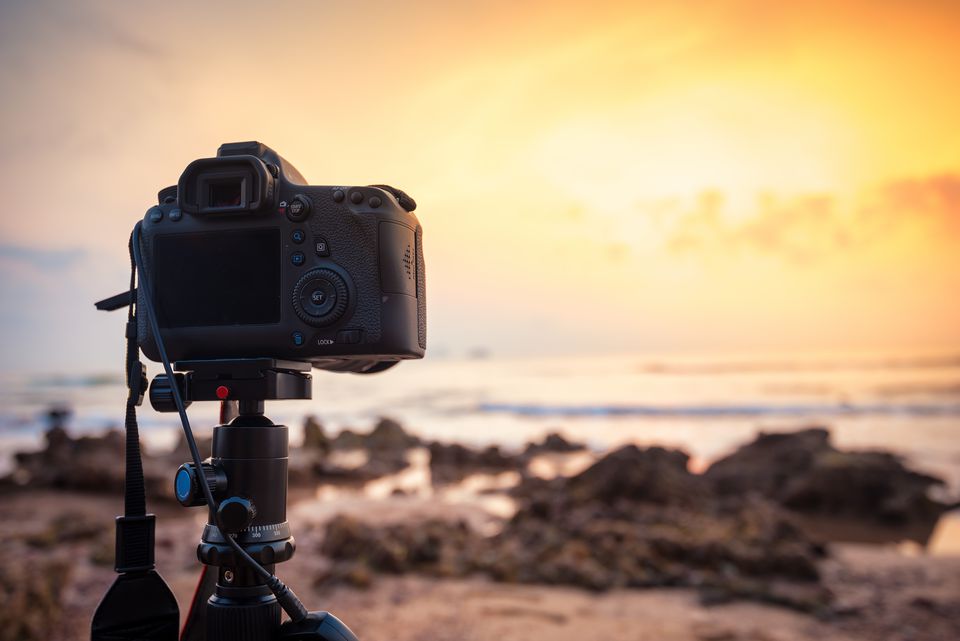
- Outdoor photography: Outdoor photography involves everything nature. From landscape to wildlife to low-light, it gives the perfect opportunity to try out something new. On your next vacation or adventure, you may come across a sight you want to document. Preparation is key so having the right kit every time is important. This lesson will also teach you how to capture that picture perfect wildlife experience.
- Indoor Photography: Perceived as challenging, indoor photography can truly be quite tasking. Lightening is a major issue faced. Artificial and natural light may contrast with light reflecting from the window. This may result in low quality photographs. This lesson will focus on mastering the art of indoor photography and common mistakes to avoid.

- Lightning: This is the core of photography. Photography originated from the reaction that occurred when light hit certain mediums. When you shoot a film or digital, you cannot do without light. This course will expose you to;
- How the position of the light affects a photograph
- Use of basic concepts to take more control over both natural and artificial light
- How to create mood lighting and flattering shadows
- Also how different lighting conditions and sources change the colors in the image
MODULE 3
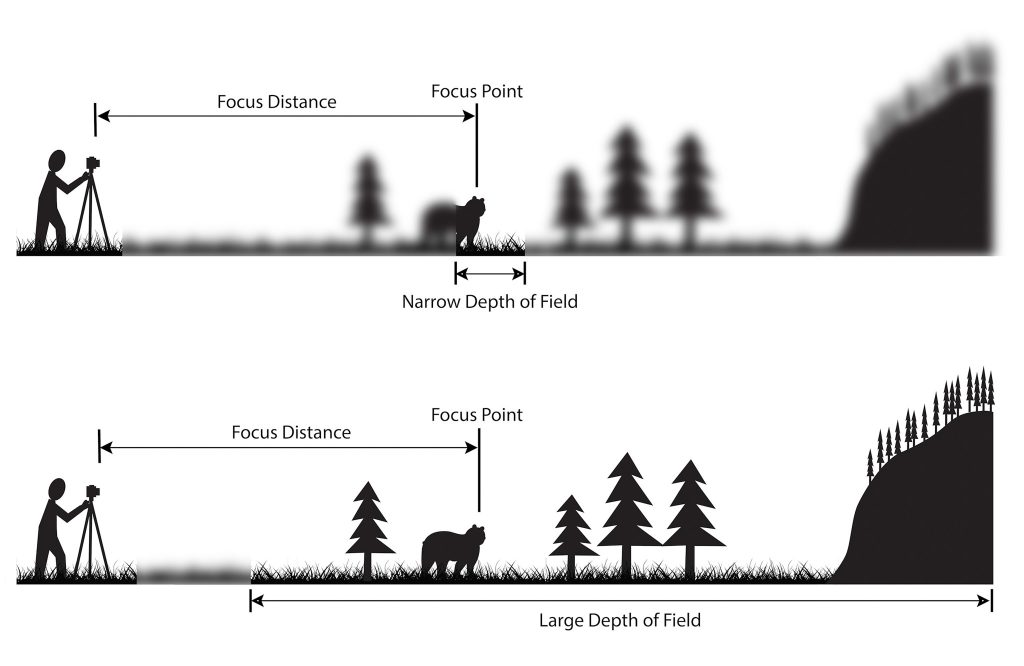
- Depth of field (DOF): This is the distance between the closest and the farthest objects that are in sharp focus in an image. Calculated based on aperture, distance to subject and focal length. Lessons will reflect techniques used to overcome limitations of depth of field. A lens, when set wide open, say f/2.8, will have less DoF than when the same lens is set to f/11.
- Camera setting: The exposure of a photograph determines how dark or light an image will be when captured. This is determined by three camera settings. They are: ISO, shutter speed and aperture. The mastery of this three is key in photography.
Deciding to take a course in digital photography is a wise decision. It would give you the required knowledge needed to improve your photography skills.
Don’t know how to? Praxis Digital Academy has opened its doors to inquisitive minds who wish to learn the art of digital photography. For more info on how to book this course kindly visit our website at digitalacademy.ng/digital-photography or pay us a visit at 52 Isheri Rd, Ojodu, Lagos.

